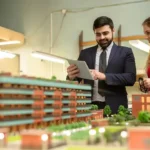


Architecture for a Global Audience: Designing Spaces that Transcend Borders
Table of Contents
- Introduction
- Understanding What “Global Architecture” Really Means
- Rooted in Local Context, Relevant Worldwide
- Climate-Responsive Design as a Universal Language
- Cultural Sensitivity in Design
- Materials: Local Sourcing with Global Standards
- Planning for Diverse User Groups
- Technology and Digital Collaboration
- The Balance Between Identity and Modernity
- Urban Growth and Responsible Development
- Commercial Architecture for a Global Market
- Residential Architecture for a Connected World
- The Role of Architectural Leadership
- Community Impact and Long-Term Vision
- Why Local Expertise Matters in Global Design
- The Future of Architecture Without Boundaries
- Designing Beyond Geography
Architecture has always been a reflection of people, climate, culture, and economy. Yet today, the practice of architecture extends far beyond regional boundaries. Clients collaborate across continents. Materials are sourced globally. Ideas move faster than ever. The question is no longer how to design for a city or a country. The real challenge is how to design for a global audience while staying rooted in local identity.
For firms working from towns like Nurmahal, cities like Jalandhar, and regions like Punjab, the opportunity is clear: create spaces that respect local context while meeting international expectations. At Hothi & Co., this balance shapes our design approach every day.
This article explores how architecture can transcend borders without losing its grounding.
Understanding What “Global Architecture” Really Means
Designing for a global audience does not mean copying international trends. It means understanding shared human needs while adapting to different contexts.
Across the world, people seek:
Functional spaces
Comfort and safety
Efficient layouts
Access to natural light and ventilation
Sustainable construction
Clear circulation and usability
These expectations remain consistent whether the project is in Punjab or Europe. However, the way these needs are fulfilled must respond to climate, culture, and lifestyle.
Global architecture is not about uniformity. It is about adaptability.
Rooted in Local Context, Relevant Worldwide
Architecture that transcends borders begins with understanding place. Climate, materials, and community patterns influence design more than style.
In Punjab, for example:
Summers are long and hot
Winters are short but noticeable
Courtyard culture remains strong
Joint family systems still influence spatial planning
Designing a house in Nurmahal or Jalandhar requires passive cooling strategies, shaded openings, and flexible interior spaces. These solutions may appear local, but the principles behind them are universal: reduce energy use, improve comfort, and create adaptable layouts.
When architecture responds intelligently to climate and culture, it naturally gains relevance beyond borders.
Climate-Responsive Design as a Universal Language
Sustainability is one of the strongest bridges between local and global architecture.
A building in Punjab must manage heat gain and ventilation. A building in Europe must retain warmth. A structure in Southeast Asia must handle humidity. Though conditions vary, the approach remains consistent: design with climate, not against it.
Key strategies include:
Orientation-based planning
Cross ventilation
Shading devices
Thermal mass usage
Insulated roofing
Water management systems
These methods reduce operational costs and environmental impact. Clients across the globe now demand sustainable design, not as a luxury but as a standard.
By integrating climate-responsive solutions into projects in Nurmahal and Jalandhar, Hothi & Co. aligns with international architectural standards while serving local communities.
Cultural Sensitivity in Design
Architecture carries cultural meaning. It reflects rituals, privacy patterns, social hierarchy, and lifestyle.
In Punjab, for instance:
Separate formal and informal seating areas are common
Kitchens often serve as gathering points
Outdoor terraces are used frequently
Religious considerations influence layout decisions
When designing for clients abroad who have roots in Punjab, these elements often reappear. The role of an architect is to reinterpret cultural patterns in a contemporary framework.
Designing for a global audience requires cultural listening. It is not about imposing a vision. It is about translating client identity into built form.
Materials: Local Sourcing with Global Standards
Material selection connects architecture to both place and performance.
In regions like Jalandhar and Nurmahal, brick, stone, and reinforced concrete remain widely used. However, construction standards and finishing expectations have evolved. Clients exposed to international design demand better detailing, durability, and precision.
Balancing this requires:
Responsible local sourcing
Quality control during execution
Coordination between design and construction teams
Updated knowledge of global building technologies
Local materials reduce transportation costs and environmental impact. At the same time, adopting modern construction techniques ensures global-level performance.
This combination creates architecture that belongs to Punjab yet meets worldwide benchmarks.
Planning for Diverse User Groups
Global design thinking also means anticipating diverse users. A building may host people from different age groups, cultural backgrounds, and physical abilities.
Inclusive planning includes:
Barrier-free access
Clear wayfinding
Flexible interior layouts
Multi-use rooms
Future adaptability
Residential spaces in Nurmahal may serve growing families. Commercial spaces in Jalandhar may host clients from various industries. Planning with flexibility allows buildings to remain relevant for decades.
Architecture that adapts is architecture that transcends borders.
Technology and Digital Collaboration
Architecture today is no longer confined to physical drawings. Digital tools allow collaboration across continents.
Architectural firms in Punjab now use:
3D modeling
BIM coordination
Virtual walkthroughs
Remote client presentations
Digital material selection
These tools make it possible for a client living abroad to participate in a project located in Nurmahal or Jalandhar. Communication becomes seamless. Decisions are clearer. Execution improves.
At Hothi & Co., digital coordination ensures that even if clients are outside India, their vision is accurately translated into built reality.
Technology removes geographic limitations, but design thinking remains rooted in context.
The Balance Between Identity and Modernity
Many clients seek contemporary architecture. However, modern does not mean detached from culture.
The balance lies in:
Clean layouts without unnecessary complexity
Functional zoning
Controlled material palettes
Structured facades
Logical structural grids
In Punjab, this often means combining traditional spatial planning with modern construction techniques. Courtyards can coexist with structured elevation design. Local brick can blend with streamlined finishes.
Architecture that blends identity and practicality appeals not only locally but also to global audiences familiar with similar transitions in their own regions.
Urban Growth and Responsible Development
Cities like Jalandhar continue to grow. Semi-urban towns like Nurmahal are expanding as well. With growth comes responsibility.
Architecture must address:
Efficient land use
Traffic flow
Public infrastructure
Water management
Energy consumption
Designers cannot focus only on individual buildings. They must consider neighborhood impact.
Global design conversations increasingly center on urban sustainability. By applying these principles in Punjab, architecture firms contribute to a broader global effort.
Responsible planning in Jalandhar has implications beyond the city. It reflects how emerging regions can grow without losing structure and efficiency.
Commercial Architecture for a Global Market
Businesses today operate across borders. A commercial space in Punjab may serve international clients.
This requires:
Professional layouts
Efficient workflow design
Compliance with safety norms
Branding integration
Flexible office configurations
Whether designing a retail outlet, office building, or institutional space, the goal remains clear: create environments that function efficiently and represent credibility.
Commercial projects in Nurmahal and Jalandhar increasingly demand design thinking aligned with international standards. Architecture becomes a business tool, not just a physical structure.
Residential Architecture for a Connected World
Residential design has evolved significantly. Families today are digitally connected. Work-from-home culture has expanded. Lifestyle patterns have changed.
Modern homes require:
Dedicated workspaces
Efficient storage
Natural lighting
Smart planning
Clear separation between public and private areas
In Punjab, families often have members living abroad. Homes must accommodate visiting relatives while supporting daily routines.
Designing such residences requires sensitivity and foresight. At Hothi & Co., residential architecture integrates practical planning with long-term adaptability.
When a home in Nurmahal reflects both local culture and global functionality, it becomes timeless.
The Role of Architectural Leadership
Designing for a global audience demands continuous learning. Architects must stay updated with building codes, sustainability standards, material innovations, and digital tools.
Leadership in architecture involves:
Transparent client communication
Ethical construction practices
Clear documentation
On-site supervision
Post-construction support
These principles are not region-specific. They are universal expectations.
For architecture firms in Punjab aiming to serve both local and international clients, consistency in delivery matters more than scale.
Community Impact and Long-Term Vision
Architecture shapes communities. It influences how people interact, work, and live.
In growing towns like Nurmahal and established cities like Jalandhar, responsible design contributes to:
Improved living standards
Organized urban growth
Better resource management
Increased property value
When buildings are planned thoughtfully, they remain relevant for generations.
Transcending borders does not mean designing for everywhere at once. It means creating structures that hold meaning regardless of geography.
Why Local Expertise Matters in Global Design
While global knowledge is essential, local expertise cannot be replaced.
Understanding:
Local regulations in Punjab
Municipal approval processes
Construction labor systems
Material availability
Cost management
These elements determine project success.
Hothi & Co., based in Nurmahal, brings grounded experience in Punjab’s architectural landscape while integrating global design principles. This combination allows projects to meet international expectations without ignoring regional realities.
Architecture that transcends borders is not built from distance. It is built from understanding.
The Future of Architecture Without Boundaries
As connectivity increases, the distinction between local and global will continue to narrow. Clients in Jalandhar will compare designs with projects in other countries. Homeowners in Nurmahal will expect digital presentations and energy-efficient systems.
Architecture must respond by:
Prioritizing sustainability
Emphasizing adaptability
Integrating technology
Respecting cultural context
Maintaining execution quality
The goal is not to compete with global architecture. It is to participate in it confidently.
Designing Beyond Geography
Architecture is ultimately about people. Borders define maps, not human needs.
When a building in Punjab provides comfort, efficiency, cultural continuity, and sustainability, it speaks a language understood worldwide. When design decisions are based on research, climate understanding, and user needs, the result remains relevant across regions.
At Hothi & Co., our work in Nurmahal, Jalandhar, and across Punjab reflects this philosophy. We believe architecture should:
Serve its immediate community
Meet international performance standards
Adapt to future needs
Remain grounded in context
Designing spaces that transcend borders does not require abandoning identity. It requires clarity of purpose.
Architecture becomes global not when it imitates, but when it understands.
If you are planning a residential, commercial, or institutional project in Nurmahal, Jalandhar, or anywhere in Punjab, consider an approach that respects local context while meeting global standards. At Hothi & Co., our focus remains on thoughtful planning, structured execution, and long-term value.
Architecture without boundaries begins with responsible design.