
Hothi & Co. is a leading architecture and construction firm in Nurmahal, Jalandhar, Punjab, delivering sustainable, innovative, and functional spaces. From residential and commercial design to turnkey construction and interiors, we blend creativity with precision. Our expert architects and engineers craft solutions tailored to client vision, ensuring quality and durability. With a focus on modern design and BIM-driven efficiency, we shape spaces that inspire and endure.

Contact Info

Proposed Two Storey Residence Design | Oakville Residential Project
Project Overview

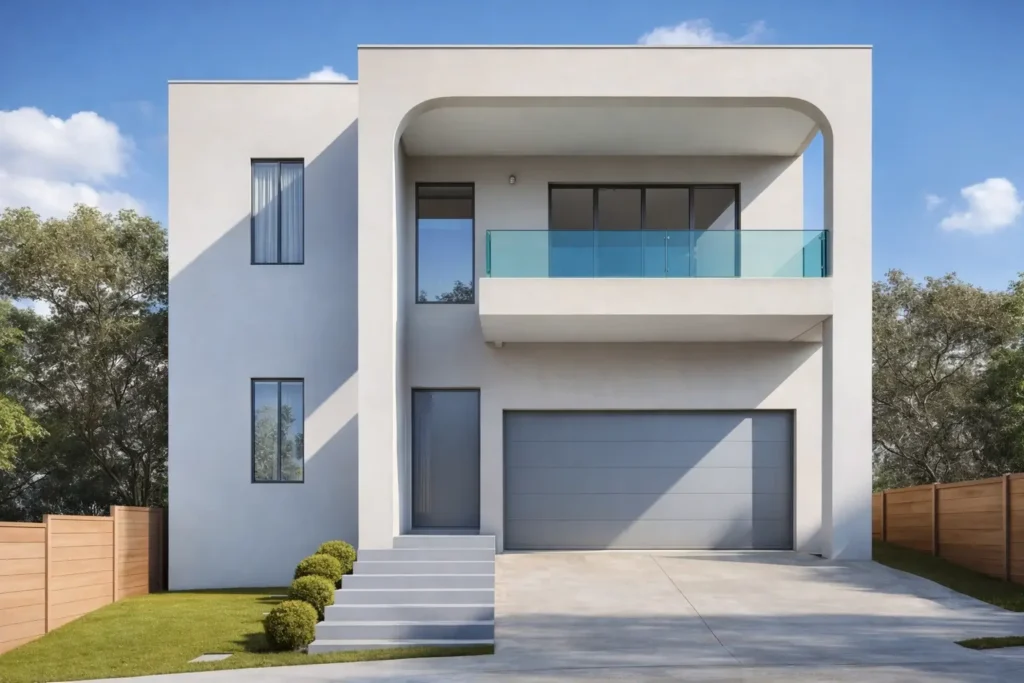
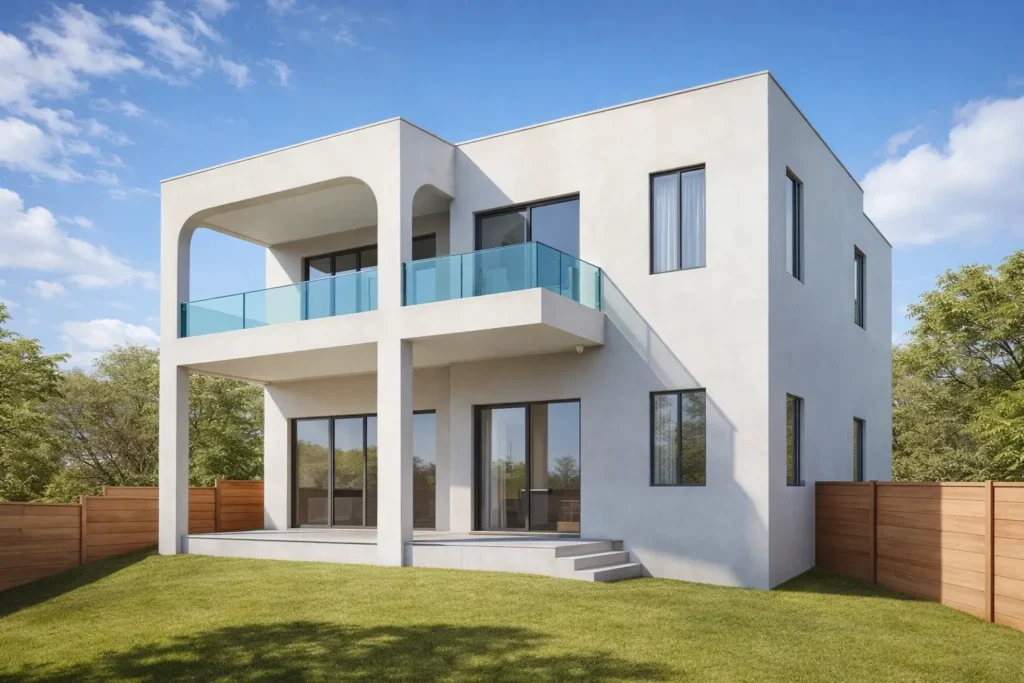
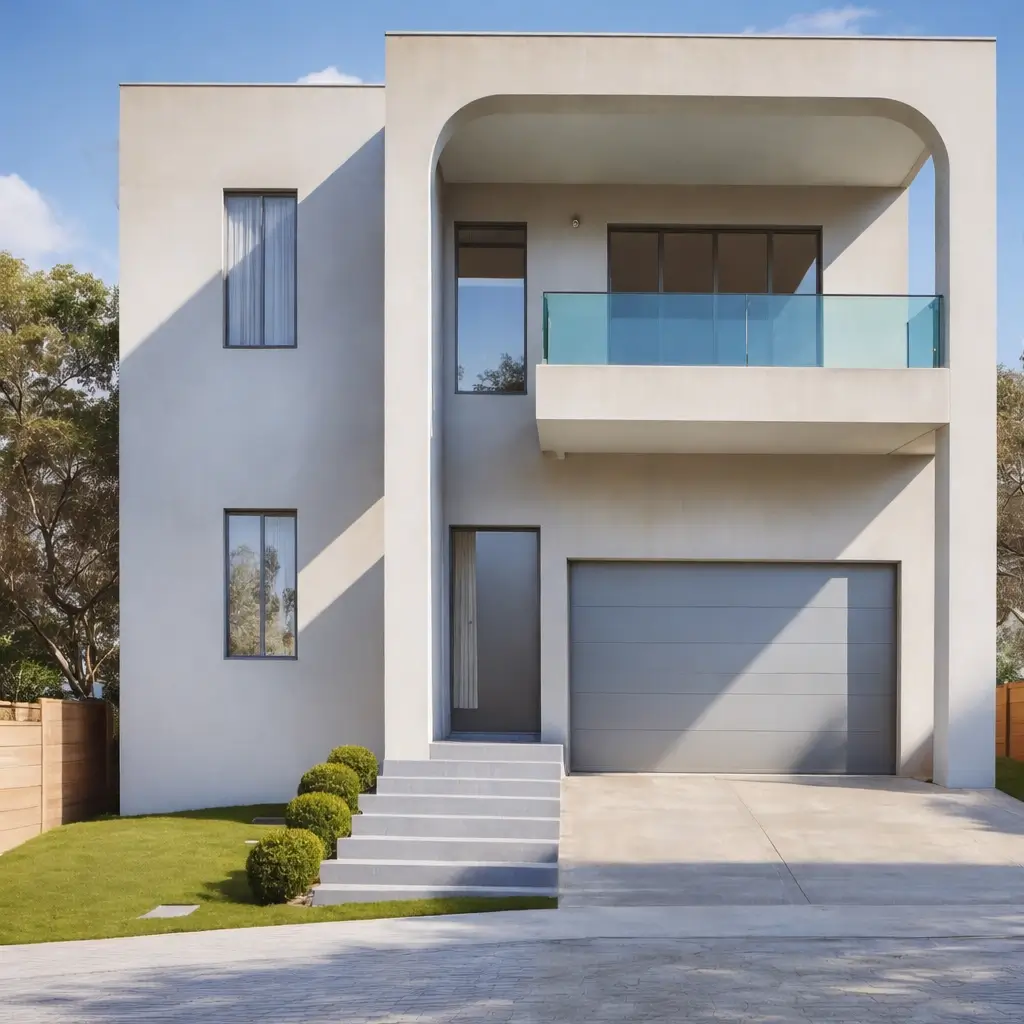
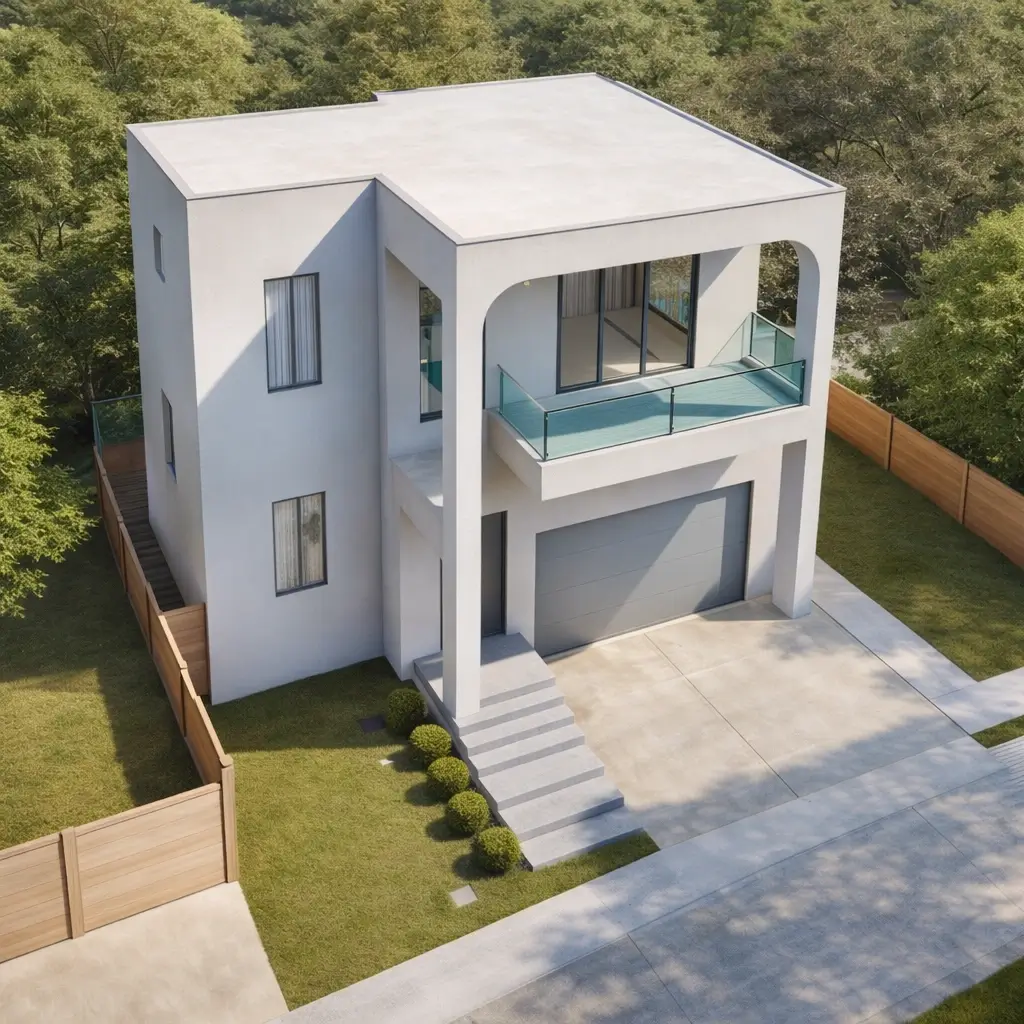
The project involves the design of a proposed two-storey residential dwelling at Stockwell Road, Oakville, developed with a strong focus on functionality, spatial efficiency, and contemporary architectural character. The planning balances built form with open spaces, ensuring comfortable living areas, clear circulation, and practical zoning across both levels. The design responds to site conditions, setbacks, and regulatory requirements while maintaining a clean exterior expression. Material selection, natural light, and ventilation were carefully considered to support long-term durability and everyday comfort.

Proposed Two Storey Residence Design | Oakville Residential Project
Architect: Hothi & Co.
Client: 13 Homes Pty Ltd
Year: 2024
Project Type: Residential Development
Strategy: Context-Responsive Design

Problem Statement


The primary challenge of this project was to design a contemporary two-storey residence that efficiently utilizes a compact site while complying with setback, height, and planning regulations. Achieving a balance between functional internal layouts and a strong architectural façade required careful spatial planning to ensure privacy, natural light, and ventilation without compromising aesthetics. Additional considerations included integrating vehicular access, creating clear circulation, and maintaining a clean, modern form that responds to the surrounding residential context and long-term livability requirements. Material selection, façade articulation, and proportion control also played a key role in enhancing visual depth while keeping the overall design practical and cost-efficient.

Research & Concept Building
1

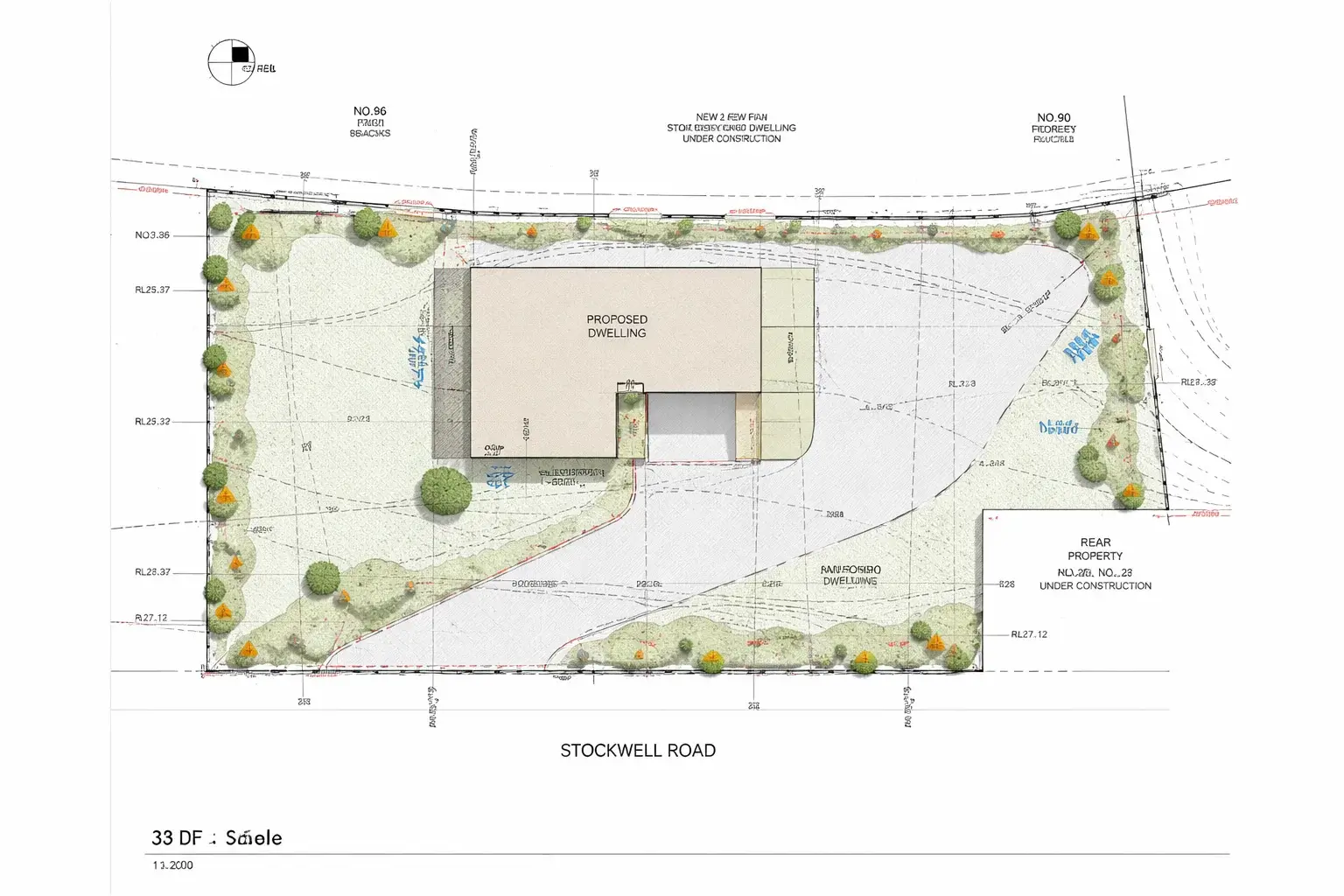
Site Analysis & Planning Constraints

The development began with a detailed site analysis to understand plot dimensions, orientation, setbacks, and surrounding context. The key challenge at this stage was optimizing buildable area while adhering to local planning controls, height planes, and open space requirements. Careful consideration was given to access, privacy, and solar orientation to form a strong foundation for the design.

2

Concept Design & Spatial Planning

The concept phase focused on establishing a clean two-storey form with balanced proportions and a contemporary street presence. A major challenge was achieving visual depth and façade articulation within a compact footprint while maintaining simplicity. The massing was refined to create a strong architectural identity without overpowering the residential context.
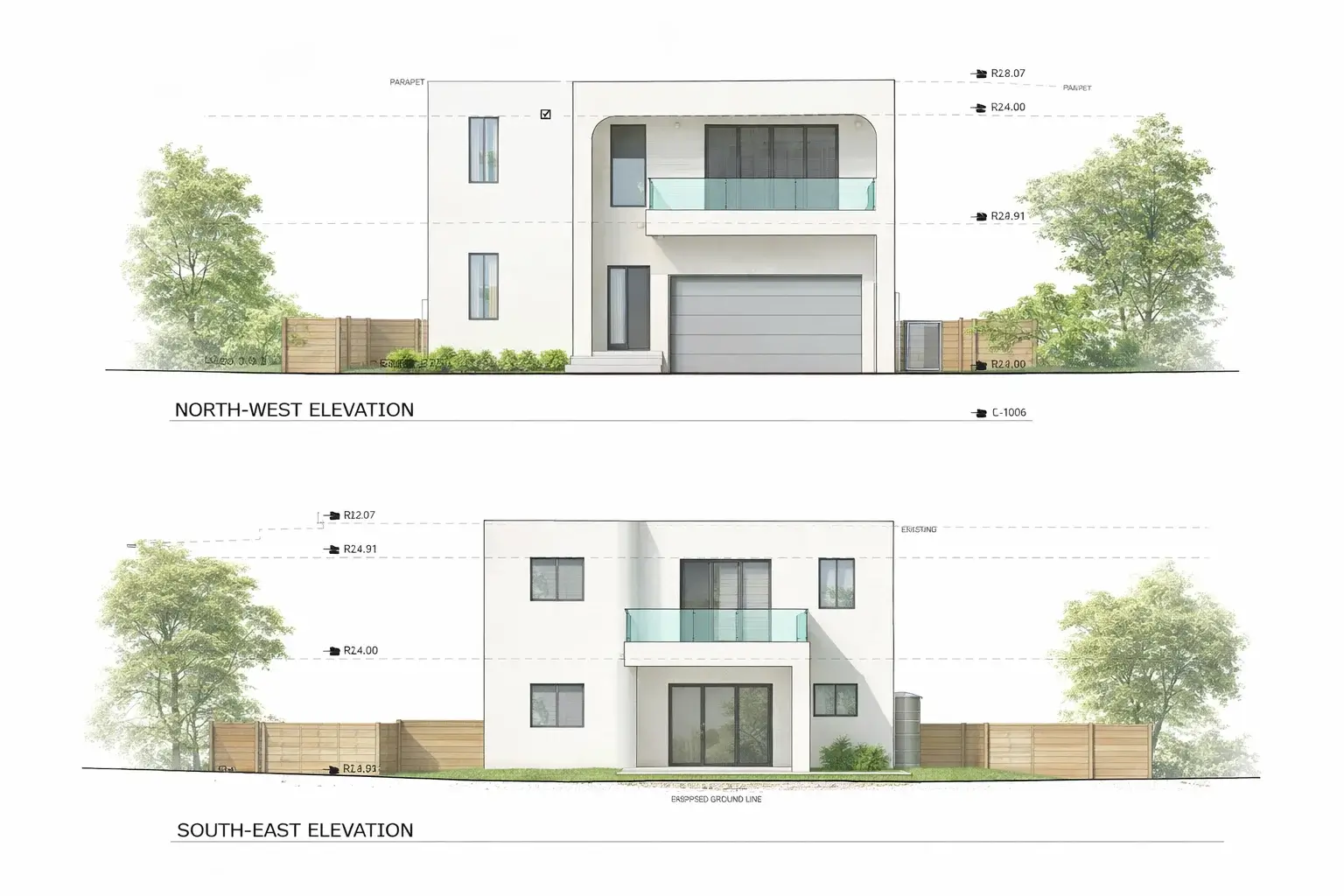
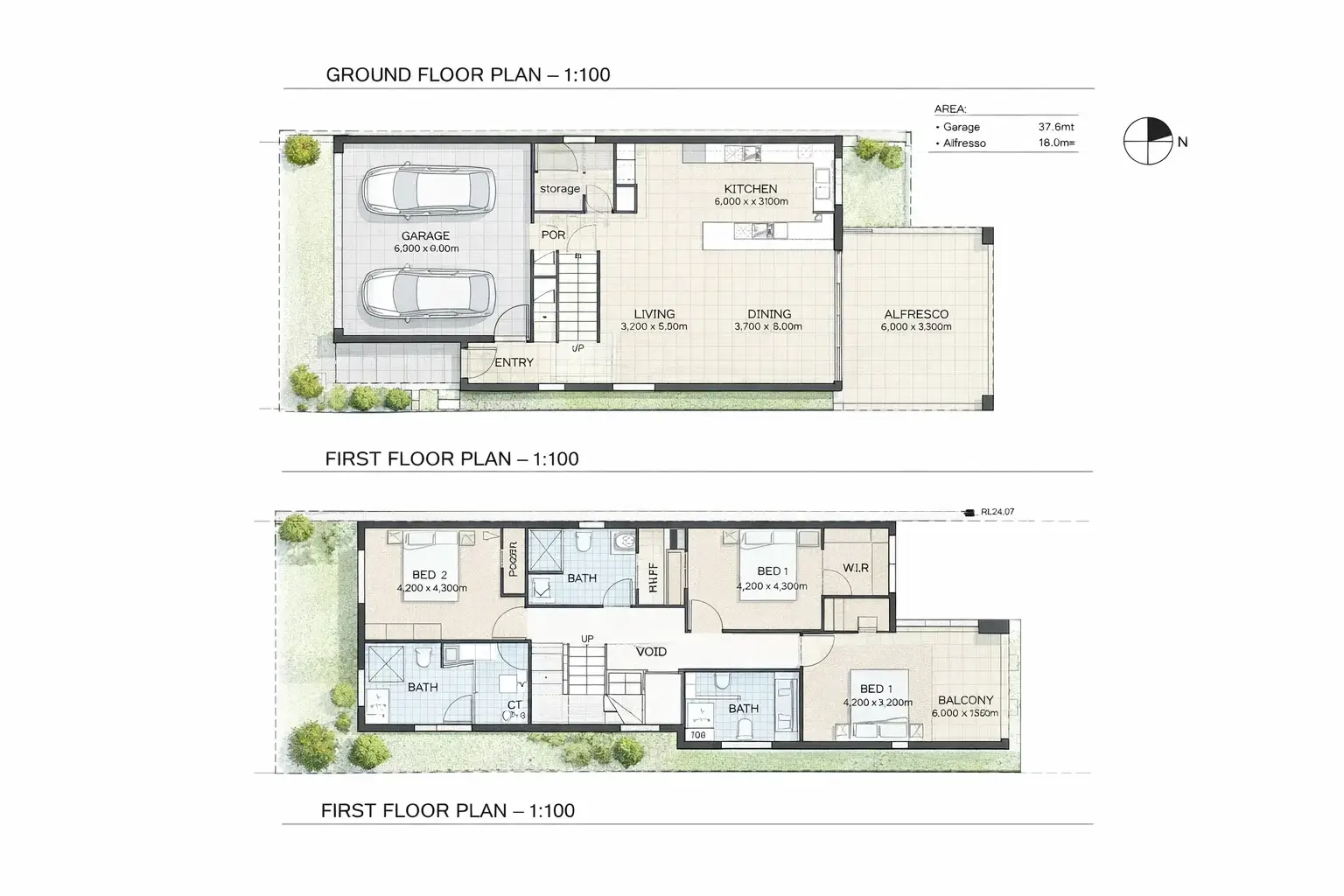
Technical Drawings
3D Modeling
3

Façade Design & Architectural Character

Internal layouts were developed to ensure functional zoning between public and private spaces across both levels. The challenge was accommodating all required rooms, circulation, and storage efficiently while maintaining comfortable room sizes and logical flow. Emphasis was placed on natural light, ventilation, and seamless indoor-outdoor connections.

4

Compliance, Sustainability & Technical Resolution

This stage involved aligning the design with structural, regulatory, and performance requirements, including height limits, fire safety, and building codes. The main challenge was maintaining design intent while resolving technical constraints such as level changes, roof forms, and service integration. Precise coordination ensured compliance without compromising aesthetics.
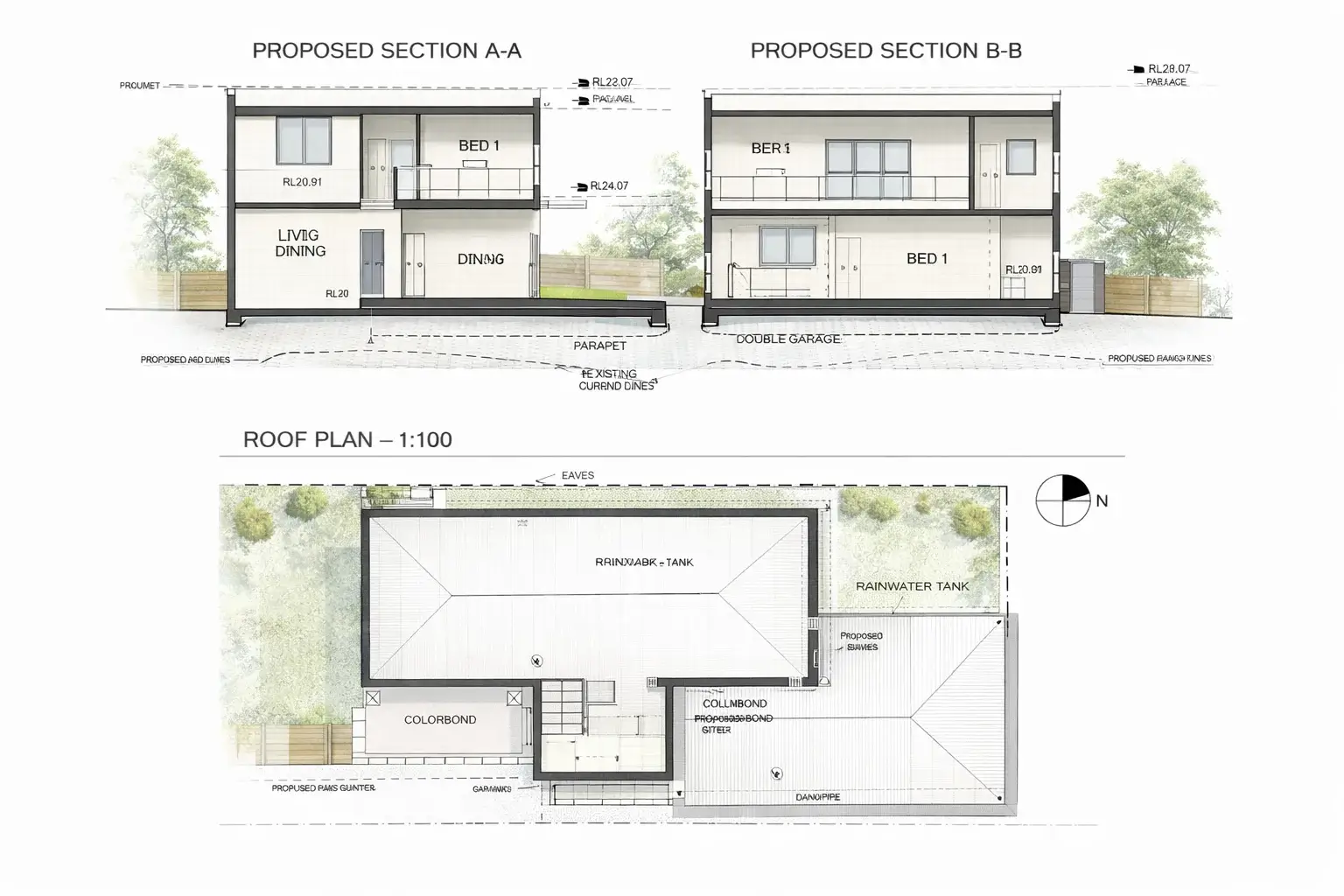
Interior Planning
Project Completion
5

Detailed Documentation & Approval Strategy

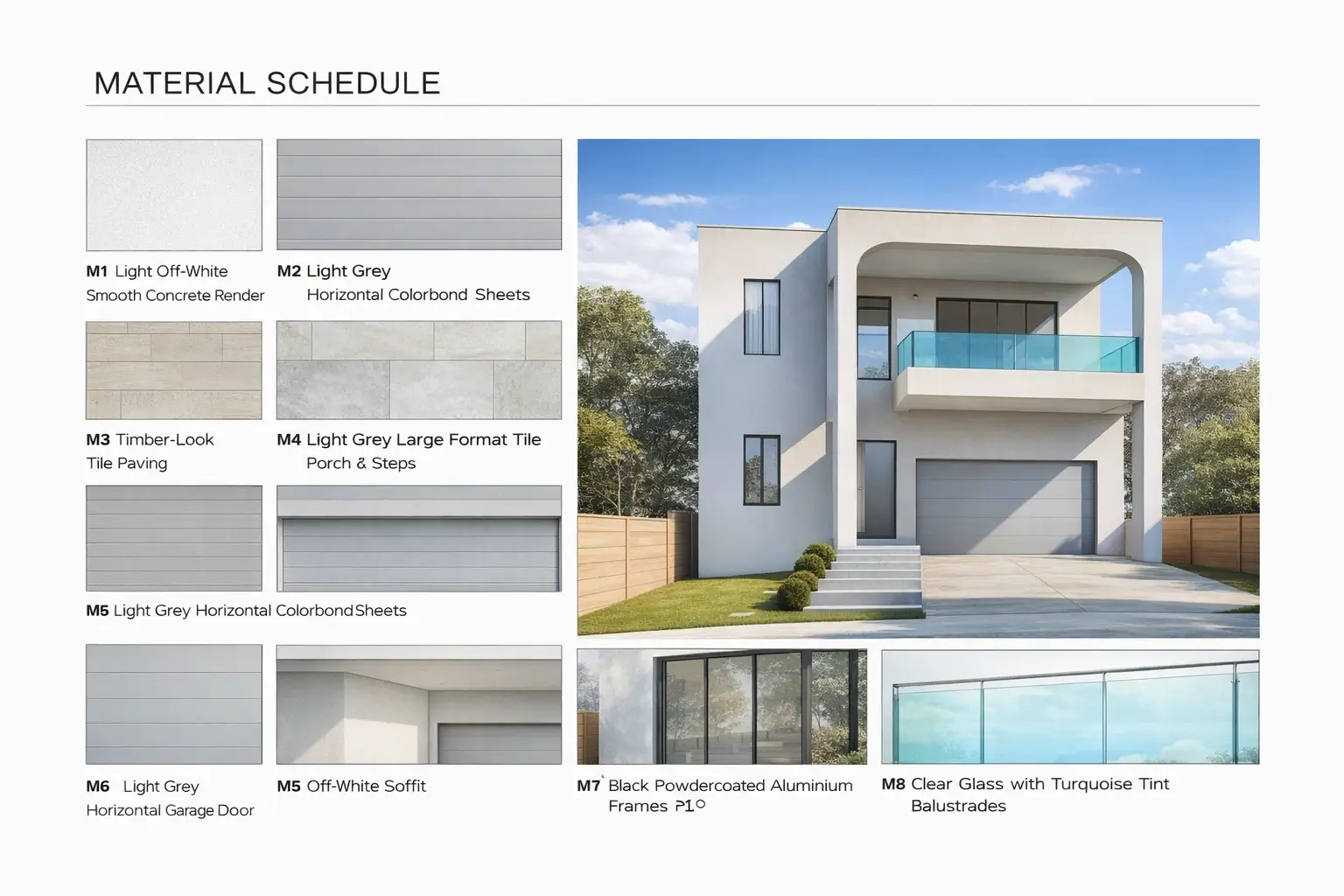
The final step focused on selecting materials and finishes that enhance durability, visual consistency, and long-term maintenance. The challenge was balancing a refined, modern appearance with practical and cost-effective material choices. Subtle contrasts and textures were used to add character while keeping the overall palette restrained.